Share
Moving to Grand Rapids: Neighborhoods Worth Exploring
This city’s neighborhoods each have their own personality, from walkable urban districts where you can grab coffee without starting your car, to tree-lined suburbs where the pace slows down and yards get bigger. This guide breaks down the most popular neighborhoods in and around Grand Rapids with the kind of details that actually help you decide.
In-City Neighborhoods
These neighborhoods sit within Grand Rapids city limits. They offer walkability, proximity to downtown, and the kind of neighborhood identity that makes people say “I live in Eastown” rather than “I live in Grand Rapids.”
Eastown
The Vibe: Eclectic, independent, and walkable. Coffee shops, vintage stores, and neighborhood bars are all within a few blocks.
Home Styles: Mostly early-1900s bungalows and Craftsman-style homes, with some converted multi-family units. Many have been updated but retain original character; think hardwood floors, built-in shelving, and front porches.
Price Range: ~$400K – $450K for single-family homes. Rentals and condos are available at lower price points.
What’s Actually Walkable: Wealthy Street corridor (restaurants, bars, cafes), Fulton Street (more dining), and multiple neighborhood parks, including Mulick Park.
Who Lives Here: Young professionals, artists, and families who prioritize walkability and community feel over square footage. People tend to know their neighbors.
The Trade-off: Parking can be tight, especially during neighborhood events. Lots are smaller. Street noise is part of the deal on busier blocks.
Heritage Hill
The Vibe: Historic, elegant, and surprisingly practical. One of the largest urban historic districts in the U.S., with over 1,300 buildings, most dating from 1840 to 1920.
Home Styles: Victorian mansions, Italianate townhomes, Queen Anne, Colonial Revival. High ceilings, original woodwork, and architectural details you don’t find in newer builds. Many have been meticulously restored.
Price Range: $300K–$800K+, depending on size and condition. Larger estates can exceed $1M.
What’s Actually Walkable: Downtown Grand Rapids (10-minute walk), Cherry Street for coffee and restaurants, and multiple parks, including Heritage Hill Park.
Who Lives Here: People who value architecture and history. Families, empty nesters, and professionals who want in-city living without sacrificing space or character.
The Trade-off: Old homes come with old-home realities like maintenance costs, occasional quirks, and historic district guidelines if you want to make exterior changes. On-street parking only.
Ottawa Hills
The Vibe: Quiet, established, and family-oriented. Less foot traffic than Eastown or Heritage Hill, but still technically in the city.
Home Styles: Mix of 1920s–1950s homes like bungalows, Cape Cods, and brick ranches. Mature trees, well-kept lawns, and driveways (a rarity in some city neighborhoods).
Price Range: $250K–$400K.
What’s Actually Walkable: Martin Luther King Jr. Park (the neighborhood anchor with a playground, walking paths, and community events), local corner stores, and a few nearby cafes.
Who Lives Here: Families, long-time residents, and people who want an in-city address without the intensity of denser neighborhoods.
The Trade-off: Less commercial activity within walking distance. You’ll drive more often than in Eastown or Heritage Hill, but you get more space and quiet in return.
Belknap Lookout
The Vibe: Elevated—literally. Perched on a bluff overlooking downtown, this neighborhood offers some of the best views in the city.
Home Styles: Historic homes from the late 1800s and early 1900s, plus some recent infill. Architectural variety: Italianate, Victorian, and contemporary updates.
Price Range: $250K–$600K+, depending on condition and view quality.
What’s Actually Walkable: Downtown Grand Rapids (short but steep walk down Coldbrook Street or Lyon Street). Belknap Park and Lookout Park for views and green space.
Who Lives Here: People who want proximity to downtown without living in it. The elevation creates a natural buffer; you’re close, but it feels separate.
The Trade-off: The hill is nothing to sneeze at. Walking to downtown is manageable, but the return trip is a workout. Winter ice on those slopes requires caution.
Heartside
The Vibe: Urban, evolving, and right in the heart of downtown. Heartside is Grand Rapids at its most concentrated: art galleries, the Downtown Market, restaurants, and everything that comes with dense city living.
Home Styles: Lofts, condos, and apartments in converted historic buildings. Limited single-family housing.
Price Range: Rentals from $1,200–$2,500/month; condos $200K–$700K+.
What’s Actually Walkable: Everything. You’re in the center of downtown: Van Andel Arena, Grand Rapids Art Museum, Rosa Parks Circle, bars, restaurants, and offices are all within blocks.
Who Lives Here: Young professionals, downsizers, and people who prioritize walkability and cultural access over space.
The Trade-off: This is city living in full. Street noise, limited parking, smaller living spaces, and the social challenges that come with downtown density. Not for everyone, but the people who love it really love it.
Suburban Communities
These communities sit outside Grand Rapids city limits but stay closely connected. They offer more space, larger lots, strong school districts, and a slower pace, all while keeping downtown within a 15–30 minute drive.
East Grand Rapids
The Vibe: Polished, walkable, and centered around Reeds Lake. This is one of the most sought-after suburbs in West Michigan.
Home Styles: Varied—1920s Tudors and colonials near the lake, mid-century ranches in quieter pockets, and newer custom builds on available lots. Most homes are well-maintained and architecturally distinct.
Price Range: $500K–$1.5M+. Lakefront properties command premium prices. Even smaller homes in EGR rarely dip below $350K.
What’s Actually Walkable: Reeds Lake (walking/running path, beach, paddle boarding), Gaslight Village (shops, restaurants, ice cream), and multiple neighborhood parks.
Who Lives Here: Families focused on top-rated schools (East Grand Rapids Public Schools consistently rank among the best in Michigan), professionals, and people who want suburban space without giving up walkability.
The Trade-off: It’s expensive. Lot availability is tight, and competition for homes is fierce. You’re paying for location, schools, and the lake.
Forest Hills
The Vibe: Spacious, green, and family-focused. Forest Hills offers larger lots, excellent schools, and easy access to nature.
Home Styles: Predominantly single-family homes from the 1960s to 2000s, with ongoing new construction. Colonials, ranches, and two-story traditional builds on wooded lots.
Price Range: $500K–$1.2M+, depending on size and lot.
What’s Nearby: Cascade Township parks, trails along the Thornapple River, and shopping/dining at The Shops at Centerpoint and Woodland Mall area.
Who Lives Here: Families prioritizing space, schools (Forest Hills Public Schools are highly rated), and a quieter lifestyle while staying within reach of Grand Rapids.
The Trade-off: You’ll drive more. This is suburban living; you’re trading walkability for square footage and yard space.
Grandville
The Vibe: Practical, evolving, and conveniently located on the west side. Grandville balances suburban comfort with easy access to shopping, dining, and highways.
Home Styles: Mix of 1950s–1970s ranch homes and newer subdivisions. Straightforward, functional layouts; less architectural drama than EGR, but well-maintained and move-in ready.
Price Range: $200K–$600K+.
What’s Nearby: RiverTown Crossings mall, downtown Grandville (small but growing with local shops and restaurants), multiple parks, including Millennium Park (one of the region’s best).
Who Lives Here: Families, first-time buyers, and people who want affordability and convenience without compromising on amenities.
The Trade-off: Less distinctive than some other suburbs. It’s comfortable and practical, but doesn’t have the same “identity” as EGR or Rockford.
Rockford
The Vibe: Small-town charm with easy Grand Rapids access. Rockford feels like a place where people know each other with seasonal events, a walkable downtown, and the Rogue River running through it.
Home Styles: Historic homes in the downtown area, suburban ranch and colonial builds in newer subdivisions, and riverfront properties.
Price Range: $350K–$600K, with some higher-end riverfront homes.
What’s Nearby: Downtown Rockford (locally owned shops, breweries, restaurants), Rogue River trails, seasonal events like the Harvest Festival.
Who Lives Here: Families, outdoor enthusiasts, and people drawn to a small-town community feel. Rockford Public Schools are highly rated.
The Trade-off: It’s 20–25 minutes north of Grand Rapids. If you work downtown, you’ll commute. But for many, that distance is part of the appeal.
Kentwood and Wyoming
The Vibe: Diverse, affordable, and practical. These neighboring communities sit just south of Grand Rapids and offer a range of housing, from starter homes to newer builds.
Home Styles: Wide mix of 1960s ranches, newer subdivisions, townhomes, and condos.
Price Range: $250K–$650K+.
What’s Nearby: Woodland Mall, dining along 28th Street, multiple parks, including Kentwood’s Jaycee Park and Wyoming’s Ideal Park.
Who Lives Here: First-time buyers, families, and people who want proximity to Grand Rapids without city prices.
The Trade-off: Less neighborhood cohesion than smaller suburbs like Rockford or EGR. These are larger, more sprawling communities that serve a wide range of needs.
How to Actually Choose a Neighborhood
Reading about neighborhoods is useful, but spending time in them is essential. Here’s how locals recommend getting a real feel for a place:
- Visit at different times. Drive or walk through on a weekday morning, a Saturday afternoon, and an evening. Neighborhoods change depending on when you’re there.
- Go beyond the main roads. Turn onto residential streets. Notice the condition of homes, whether people are outside, and how the blocks feel.
- Stop somewhere local. Grab coffee, visit a park, or check out a farmers’ market. You’ll get a sense of who lives there and what daily life looks like.
- Test your commute. If you’re working in Grand Rapids, drive the route during rush hour. If you have kids, map the distance to schools.
- Experience winter if you can. Michigan winters are a beast. Snow changes how neighborhoods feel: walkability gets harder, hills are more of a problem, and proximity to services becomes more important.
Grand Rapids neighborhoods reveal themselves slowly. Give yourself time to explore, and trust your instincts about what feels right.
Building a Custom Home in Grand Rapids
Once you’ve identified the right neighborhood, the next question is often: Should I buy an existing home or build custom?
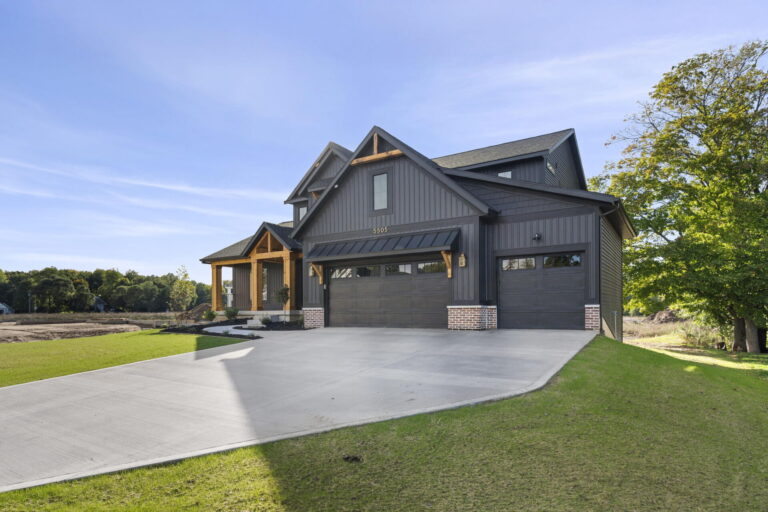
At Buffum Homes, we help families build throughout West Michigan. Custom building lets you design a home that fits both your life and the neighborhood’s character, whether that means honoring historic architecture, embracing modern lines, or creating something timeless.
A few things to consider if you’re thinking about building:
- Lot availability varies. In established neighborhoods like East Grand Rapids and Heritage Hill, buildable lots are rare and expensive. In growing suburbs like Forest Hills and Grandville, there’s more availability, but you’ll need to move quickly.
- Zoning and guidelines matter. Historic districts (like Heritage Hill) have architectural review boards. Some subdivisions have covenants. A local builder knows how to navigate these requirements.
- Timeline is flexible. Building typically takes 8–12 months from groundbreaking to move-in, depending on the home’s complexity. If you’re relocating, you can time it to match your move.
- It’s about more than the floor plan. Custom building means designing a home that supports how you actually live: open entertaining spaces, a home office, or a mudroom that handles Michigan winters.
If you’re considering a custom build in West Michigan, we’d be happy to walk you through the process and help you find the right lot in the right neighborhood.
Frequently Asked Questions
What’s the best neighborhood in Grand Rapids?
It depends on what you value. Eastown and Heritage Hill are top choices for walkability and character. East Grand Rapids and Rockford are popular for families prioritizing schools and space. Ottawa Hills and Belknap Lookout offer quieter in-city living. There’s no single “best,” only the neighborhood that fits your priorities.
Is Grand Rapids expensive?
Compared to major metros like Chicago or the coasts, no. Compared to smaller Midwestern cities, it’s moderate. Home prices range widely, from $250K in Kentwood/Wyoming to $1M+ in East Grand Rapids.
Should I live in the city or the suburbs?
City neighborhoods offer walkability, culture, and proximity to downtown. Suburbs offer more space, larger lots, and quieter streets. Neither is better; it’s about what kind of daily life you want. Most people explore both before deciding.
Can I build a custom home in Grand Rapids?
Yes, throughout both the city and the surrounding suburbs. Lot availability and zoning vary by neighborhood. In established areas like Heritage Hill and EGR, buildable lots are limited. In growing suburbs, there’s more opportunity. Working with a local builder helps you navigate availability and regulations.
What are the best school districts?
East Grand Rapids Public Schools, Forest Hills Public Schools, and Rockford Public Schools consistently rank among the top in Michigan. Grand Rapids Public Schools has strong magnet and specialty programs. Many families research specific schools rather than just the district’s reputation.
When’s the best time to move to Grand Rapids?
Spring through early fall sees the most housing market activity and the easiest moving conditions. Winter moves offer more negotiating leverage and less competition, but you’ll deal with snow. If you’re building custom, starting in late winter or early spring means you’ll be settled before the next winter hits.
Final Thoughts
Moving to Grand Rapids means choosing more than a house; it means choosing streets you’ll walk, neighbors you’ll know, and a pace that fits how you want to live.
Whether that ends up being a historic home in Heritage Hill, a lakefront property in East Grand Rapids, or a custom build on a quiet lot in Forest Hills, this city has a way of meeting people where they are.
Give yourself time to explore. Grand Rapids tends to feel like home sooner than you expect.