Building a custom home can feel like a fixed-price experience. Once a number is set, it can seem as though there is little room to shape it. In truth, the final cost is formed much earlier, through dozens of decisions that quietly influence materials, labor, and timing.
Saving money when building a house is not about cutting quality or lowering expectations but about making the best choices early on and understanding exactly where to save and where to splurge. Let’s dive in.
1. Start Saving Before Construction Begins
The most meaningful savings happen during planning, not mid-build. Once construction is underway, changes tend to ripple outward and hit labor, materials, and timelines all at once.
Getting clarity early creates a calmer building experience. It also protects the budget long before the first shovel hits the ground.
2. Choose the Right-Sized Floor Plan
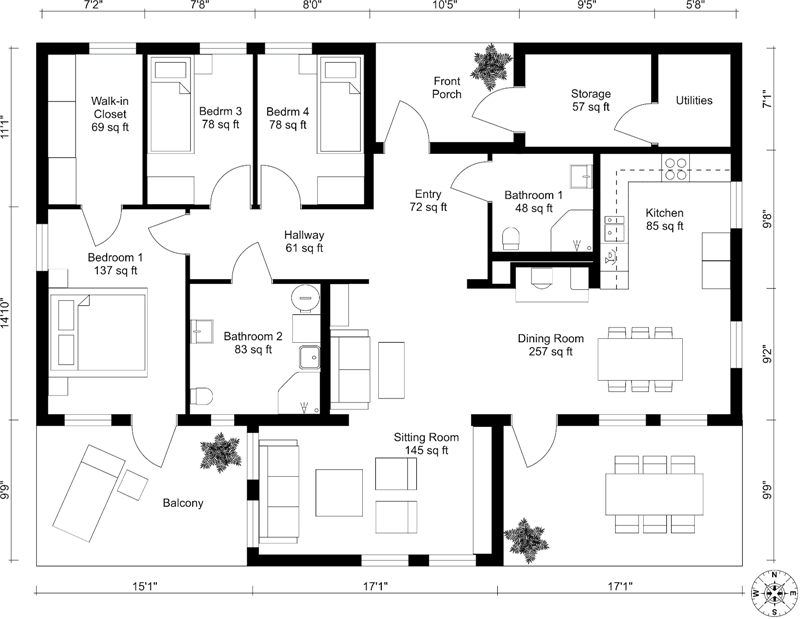
Square footage drives cost more than almost anything else. Every extra room adds framing, flooring, lighting, heating, and finishes.
Instead of focusing on size alone, focus on how the home will actually live:
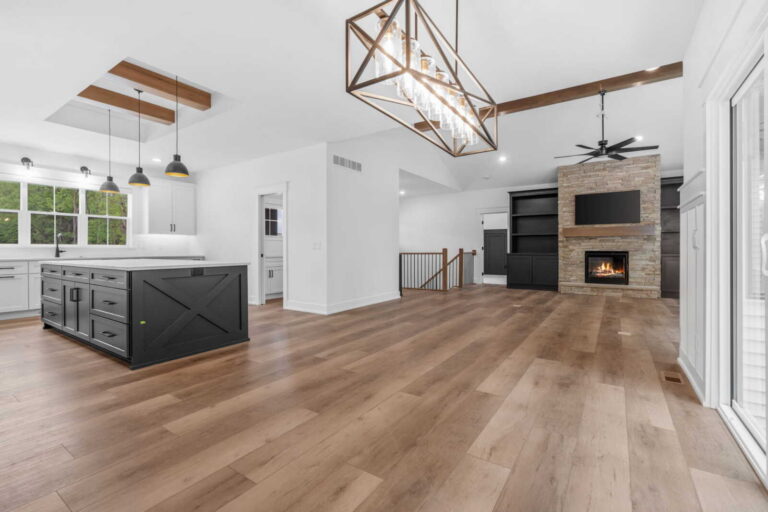
- Choose layouts that feel open without excess space.
- Skip rooms that sound appealing but rarely get used.
- Let foot traffic flow and natural light do the work.
A well-designed footprint often feels more generous than a larger home with unused corners.
3. Keep the Shape of the Home Simple
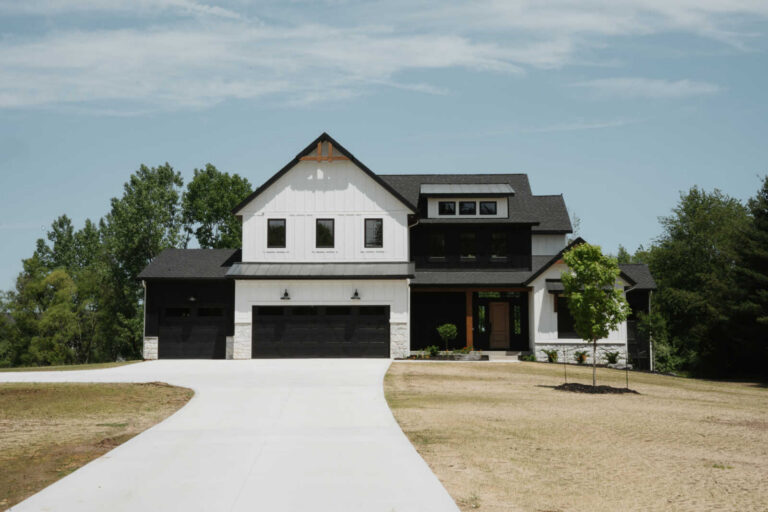
The overall shape of a home has an understated but powerful impact on cost. Straightforward footprints and rooflines take less time to build than designs with many corners, jogs, or complex transitions.
Fewer angles mean less labor, fewer framing steps, and smoother progress during construction. But don’t worry: simple doesn’t mean plain. Instead, clean lines feel timeless and refined.
4. Design for Efficiency Behind the Walls
Well-planned layouts save money in ways homeowners rarely see but absolutely feel.
Grouping bathrooms, stacking plumbing runs, and keeping mechanical systems centralized reduces complexity during construction. These decisions help builds move smoothly without changing how the home feels day to day.
5. Spend Where Daily Life Happens
Not every room needs the same level of finish. Spaces that anchor everyday routines tend to deliver the most satisfaction when you splurge on them.
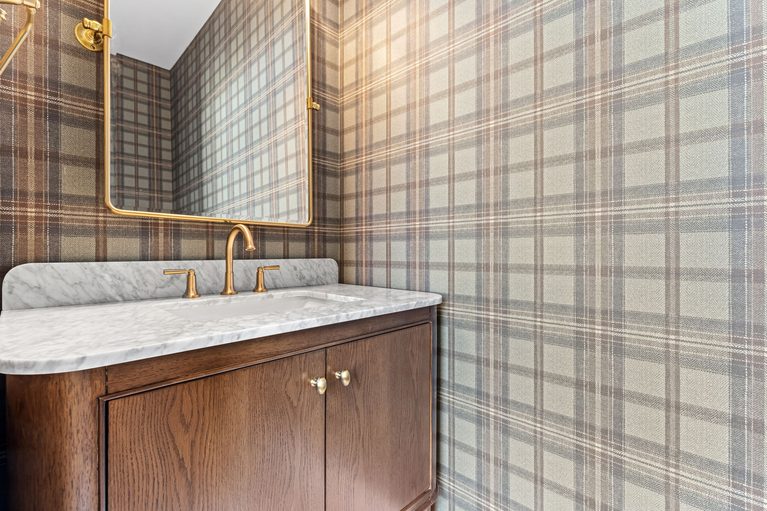
Kitchens, main living areas, and primary suites are often worth the attention. Other areas, such as guest bedrooms, laundry rooms, secondary bathrooms, and storage spaces, can stay simpler without feeling unfinished.
Spending more in a few meaningful places often feels better than spreading upgrades thin across the entire home.
6. Choose Materials That Age Well
Fast-moving trends can be tempting, but they can look dated just as fast. Replacing them later costs far more than choosing enduring finishes from the start.
Classic flooring, neutral cabinetry, and clean tile selections tend to feel comfortable year after year. They also allow flexibility as your tastes evolve, which creates long-term value.
7. Limit Details That Drive Labor Costs
Some design features add more labor than most people expect. Intricate trim packages, highly detailed ceilings, and complex roof structures require more time to build.
Clean construction details still allow for character and warmth, while keeping labor hours reasonable. A helpful question during planning is “Where can we simplify without changing how the home feels?”
8. Make Decisions Early and Stick With Them
Late changes are one of the most common sources of budget stress. Even small shifts can lead to reordered materials, added labor, and timeline delays.
Making selections early keeps momentum steady and helps protect pricing when materials and availability fluctuate. Another useful question to ask is “Which choices tend to cause the most late-stage changes?”
9. Think Beyond the Upfront Price
Some decisions cost a bit more initially but save money over time. Energy-conscious windows, solid insulation, and efficient mechanical systems can lower monthly bills and reduce maintenance down the road.
These choices often feel rewarding long after move-in day, supporting comfort and peace of mind year after year.
10. Work with a Builder Who Clearly Explains Trade-Offs
One of the simplest ways to save money is working with a builder who communicates openly and helps homeowners understand their options.
Clear guidance helps prevent missteps, avoids false savings, and keeps decisions aligned with your lifestyle and budget. Trying to save in the wrong places can ultimately cost more. The right guidance helps you avoid that path.

A Calmer Way to Build Well
Many homeowners begin the process unsure which choices truly matter. That uncertainty is normal. The right planning turns it into clarity from the outset.
The most meaningful savings come from simple forms, steady decisions, and a home designed around how you actually live. When those pieces come together, building feels less overwhelming and far more rewarding from start to finish.