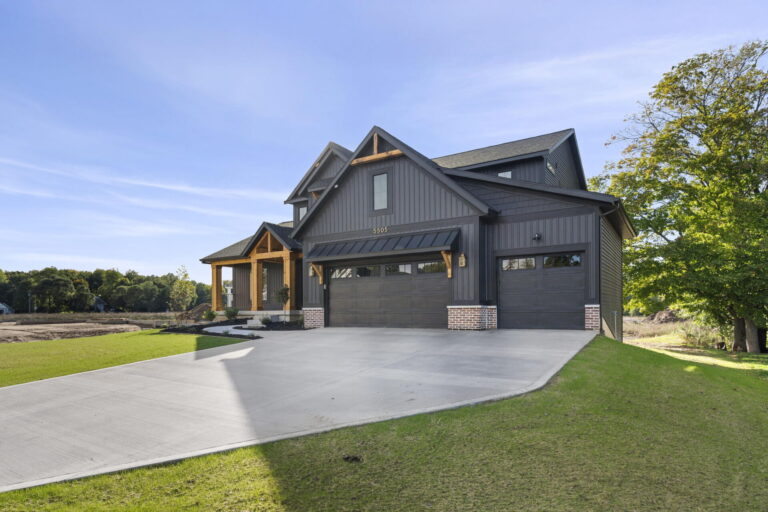
Choosing where to plant roots is a meaningful step. If you’re exploring West Michigan neighborhoods, you’ll likely come across communities with homeowner associations. Some homeowners appreciate the sense of order they bring, others worry about restrictions, and many are simply unsure what to expect. This guide gives you a clear, grounded picture of how HOAs work in Michigan so you can feel confident in your choice.
In this region, HOAs often shape neighborhoods with quiet streets, careful landscaping, and thoughtful amenities. Understanding how they function helps you picture your life there before you make the decision.
What Is an HOA?
A homeowners’ association is a neighborhood organization designed to care for shared spaces, maintain the long-term character of the community, and guide community standards. Most HOAs in Michigan operate as nonprofit corporations governed by recorded documents that outline how the neighborhood is run.
At their best, HOAs help a community feel consistent and welcoming. They support the kind of curb appeal that ages gracefully and protects long-term value.
In West Michigan, you’ll find HOAs in lake-adjacent neighborhoods, wooded developments, and newer communities where architecture plays a major role in the overall feel.

How HOAs Work in Michigan
Every community has its own rhythm, but a few common pieces appear throughout the state.
Covenants and Restrictions
These recorded documents set the neighborhood’s guardrails. They outline expectations for exterior design, property use, and shared behavior. Their purpose is to keep the community cohesive and prevent dramatic changes that might disrupt the look or feel of the area.
Bylaws
The bylaws guide how the association is run day-to-day, including board elections, meeting procedures, and budgeting.
The Board
Homeowners elect a board to oversee decisions, approve expenses, and keep the neighborhood on track. The board makes sure dues are used responsibly and that maintenance happens on schedule.
Annual Dues
Dues support the ongoing care of shared areas. The cost reflects the size of the development, the level of maintenance, and the amenities available.
Architectural Review
Many HOAs use a review committee to look at exterior changes, additions, or new-build plans. The goal isn’t to limit creativity. It’s to make sure the finished home blends gracefully with its surroundings.
What HOA Fees Cover in West Michigan
Dues vary, but in our region, they often support practical services that make daily life easier.
Common items include:
- Snow removal on private drives and neighborhood streets
- Landscaping and care for entrances, medians, and community greens
- Maintenance for neighborhood parks and trails
- Upkeep for lake access points, ponds, and natural preserves
- Lighting and signage throughout the neighborhood
- Repair and care for shared structures
These services matter in a four-season climate where snow, wind, and lake-effect weather demand steady upkeep.
Pros and Cons of Living in an HOA Community
Choosing an HOA neighborhood comes with both comforts and considerations. Here’s a clear look at each.
Benefits
- A well-kept neighborhood that feels inviting throughout the year
- Consistent upkeep that brings peace of mind
- A cohesive style that protects long-term property value
- Shared amenities that add convenience and charm
- Community standards that keep the neighborhood calm and polished
Tradeoffs
- Monthly or annual dues
- Guidelines that shape exterior design choices
- Approval steps for additions or major updates
- Community decisions that require some collaboration
Every family weighs these differently. Some appreciate the predictability. Others prefer more personal freedom. Neither path is wrong; it’s simply about choosing the environment that fits your lifestyle.

HOA Rules and Covenants: What They Mean for Your Home
Rules vary, but most HOAs in Michigan focus on preserving curb appeal and keeping the neighborhood peaceful. You may see guidance related to:
- Exterior paint colors and material choices
- Siding, roofing, and window details
- Tree removal and landscaping decisions
- Outbuildings, sheds, and fencing styles
- Parking, lighting, and seasonal décor
- Use of shared spaces
- Rental restrictions, especially in lakefront communities
These guidelines are designed to protect the long-term character of the neighborhood. When they’re well written, they create a sense of order without feeling rigid.
What to Know About HOAs When You’re Building a Home
If you’re building a custom home in an HOA community, you’ll likely go through an architectural review. This process usually covers your exterior materials, roofline, landscaping plan, and overall design.
With the right partner, this step feels less like a checkpoint and more like a bridge between your vision and the neighborhood’s character. Buffum clients often appreciate how the process:
- Protects their investment
- Keeps neighboring homes to a similar standard
- Supports a cohesive, high-quality environment
- Encourages thoughtful design choices
A builder familiar with HOA communities makes the experience smooth by preparing complete plans, communicating clearly with the committee, and guiding you through each approval.
HOA vs. No HOA: Which Fits Your Lifestyle?
Both paths have their own appeal. Think about how you want your home to feel, day after day.
An HOA neighborhood might be right for you if you want:
- Predictable surroundings
- A consistent architectural style
- Cared-for shared spaces
- A sense of order throughout the year
- A neighborhood that looks polished as it matures
A non-HOA neighborhood might be right for you if you prefer:
- Full freedom over exterior design
- A flexible or eclectic environment
- A more informal neighborhood dynamic
It’s less about choosing the “best” option and more about choosing the setting that feels right for your family.
Questions to Ask About an HOA Before You Buy
Here are helpful questions that uncover how an HOA really functions:
- How much are dues, and how often do they change?
- What services do the dues cover?
- How active is the board?
- Does the community anticipate any special assessments?
- What rules affect the exterior of the home?
- How long does architectural review take?
- Are rentals permitted?
- How does the neighborhood manage landscaping, snow removal, and seasonal maintenance?
Clear answers help you picture everyday life in the community.
How to Choose an HOA Community in West Michigan
West Michigan offers a wide range of neighborhoods, each with its own personality. As you explore your options, consider:
- Lifestyle fit: Your favorite routines, from weeknight walks to lake weekends
- Location: Access to schools, parks, restaurants, and commuting routes
- Setting: Wooded lots, open cul-de-sacs, or lake-adjacent properties
- Amenities: Trails, parks, playgrounds, ponds, and gathering spaces
- Design style: Modern, traditional, or cottage-inspired neighborhoods
- Seasonal impacts: How the community manages snow, ice, and weather-related upkeep
A little clarity goes a long way in choosing a place that feels like home.

How Buffum Homes Partners With HOA Communities
When you build with us, you don’t walk through the HOA process alone. Our team prepares thoughtful design plans, coordinates with architectural review committees, and helps you select materials that suit both your vision and the neighborhood’s character. You receive guidance from the beginning, so the entire experience feels smooth, organized, and enjoyable.
If you’re exploring HOA communities across West Michigan and want a partner who can guide both the design and approval process with care, we’d love to help. Reach out to start planning a home that feels beautifully yours.
FAQs
Are HOAs mandatory?
If you purchase a home in an HOA neighborhood, membership is part of the property.
Do HOAs raise dues?
Dues may change over time based on maintenance costs and community needs. You can review the annual budget to understand the pattern.
Can an HOA limit paint colors or materials?
Yes. Many HOAs maintain design standards to protect curb appeal and neighborhood character.
Is architectural review difficult?
Not typically. With complete plans and a seasoned builder, the process is straightforward.
Do HOAs affect resale value?
They can support long-term value by keeping shared spaces and surrounding homes in good condition.